

Vojdani Lawyers
Updating a Will After Marriage or Separation
Major relationship changes can change the effect of your will, sometimes automatically and sometimes in ways people do not expect. Marriage can cancel an existing will, while separation on its own usually does not. Many people only discover the problem when it is too late to fix.
Vojdani Lawyers reviews your existing will and other estate planning documents after a change in your relationship, and prepares new documents so that your wishes are clear and effective.
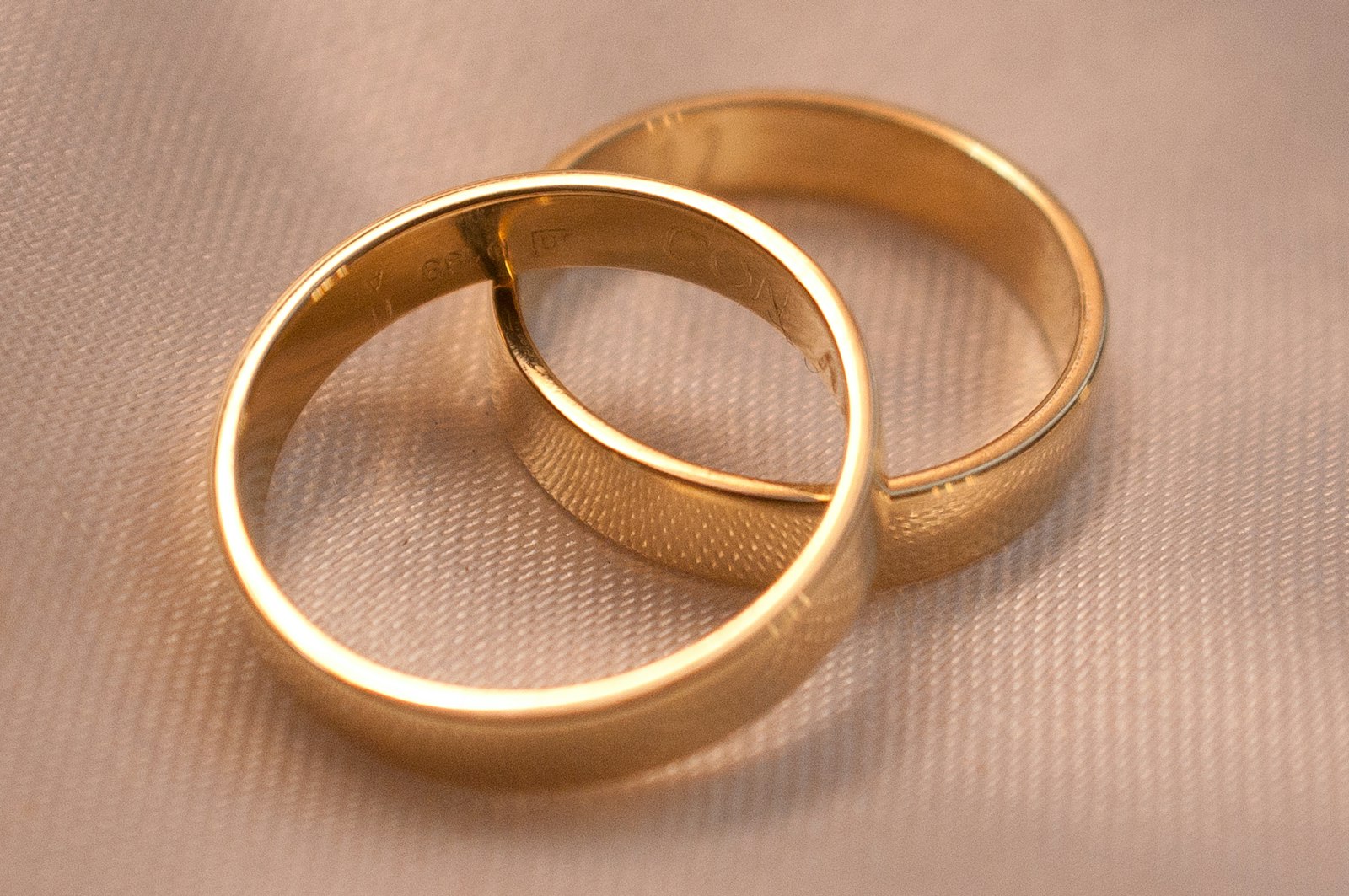
Marriage Revokes an Existing Will
Under section 14 of the Succession Act 1981 (Qld), getting married generally revokes an existing will. If you do not make a new will, your estate may pass under the intestacy rules rather than in the way you intended.
There are exceptions. A will made in contemplation of a particular marriage is not revoked by that marriage, and gifts to, or appointments of, the person you are married to when you die are preserved. Even so, the safest course is to make a new will around the time of your marriage.
Separation Does Not Change Your Will
If you are married and separate, your will is not automatically changed. Your spouse may still inherit under your will, or be your executor, until you are divorced or you make a new will. If you die without a will while separated but not divorced, your spouse may still be entitled under the intestacy rules.
For this reason, it is important to review your will as soon as you separate, rather than waiting for a divorce or property settlement.
Divorce and the End of a De Facto Relationship
A divorce generally revokes gifts in your will to your former spouse and any appointment of them as executor, trustee or guardian, unless your will shows a contrary intention (section 15). The same generally applies when a civil partnership ends (section 15A) or when a de facto relationship ends (section 15B). The will then takes effect as if your former partner had died before you.
There are limited exceptions, for example where your former partner is appointed as trustee of property left on trust for beneficiaries that include their children. Relying on these automatic rules can lead to unintended outcomes, so a new will is usually the better approach.
Assets That Do Not Pass Under Your Will
Some assets are not controlled by your will at all, and need to be reviewed separately:
- Jointly owned propertyProperty held as joint tenants passes to the surviving owner, regardless of your will
- SuperannuationPaid by the fund trustee, often under a death benefit nomination that may still name a former partner
- Life insuranceMay be paid to a nominated beneficiary outside your estate
- Family trusts and companiesControlled by the trust deed and company documents, not your will
After separation, you may also want to review whether a joint tenancy should be severed, subject to your family law advice.
New Relationships and Blended Families
Under the Succession Act 1981 (Qld), a de facto partner is generally treated as your spouse for inheritance purposes only if you have lived together for a continuous period of at least 2 years. A new relationship, new children or stepchildren may also change who could make a claim on your estate.
A carefully drafted will, together with updated superannuation nominations, can help balance the interests of a new partner and children from earlier relationships.
Your Enduring Power of Attorney
Relationship changes should also prompt a review of your enduring power of attorney and advance health directive. If your spouse or former partner is your attorney, consider whether that appointment still suits your circumstances. See our pages on wills and enduring powers of attorney.
Frequently Asked Questions
Does getting married cancel my will in Queensland?
Generally, yes. Marriage revokes an existing will under section 14 of the Succession Act 1981 (Qld), unless the will was made in contemplation of that marriage. Gifts to, and appointments of, your spouse at the time of your death are preserved.
Does separation revoke my will?
No. Separation alone does not change your will. Your spouse may still inherit or act as executor until you divorce or make a new will, so you should review your will as soon as you separate.
What happens to my will when I divorce?
Divorce generally revokes gifts to your former spouse and their appointment as executor, trustee or guardian, unless your will shows a contrary intention. The rest of the will continues to operate as if your former spouse had died before you.
Does the end of a de facto relationship affect my will?
Yes. Under section 15B of the Succession Act 1981 (Qld), the end of a de facto relationship generally revokes gifts to your former partner and their appointment as executor, trustee or guardian, unless your will shows a contrary intention.
Do I need to update my superannuation nomination too?
Very likely. Superannuation does not automatically pass under your will, and a death benefit nomination may still name a former partner. Review it with your fund whenever your relationship changes.
How Vojdani Lawyers Can Assist
Vojdani Lawyers reviews and updates wills, powers of attorney and estate planning documents after marriage, separation, divorce or a new relationship, working alongside your family lawyer where needed.