

Vojdani Lawyers
Overseas Assets and International Wills
Many Queenslanders own property, bank accounts or investments overseas, or have family living in other countries. A will that works well in Queensland may not be recognised in another country, or may not achieve the result you intended there.
Vojdani Lawyers prepares wills for clients with international connections and works with lawyers overseas where needed, so that your estate plan works across borders.
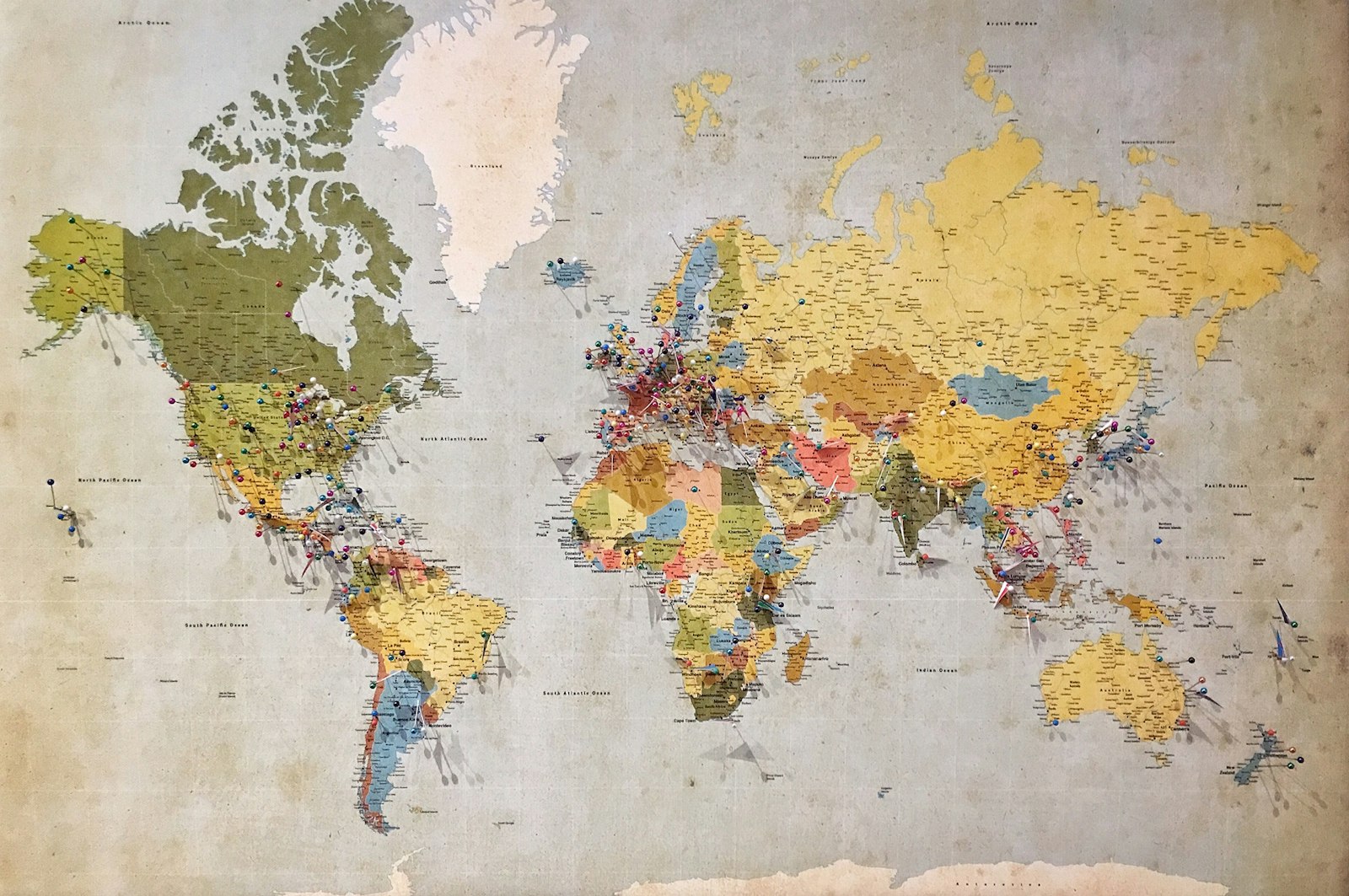
Which Law Applies to Your Estate?
Different countries apply different rules to deceased estates. Under the approach generally applied in Australia, and subject to local law and any applicable treaty, succession to land and buildings is governed by the law of the place where the property is located, while movable assets, such as bank accounts and shares, are generally governed by the law of the place where the deceased was domiciled.
Some countries also have forced heirship rules, which reserve part of an estate for children or other relatives and can override a will in certain circumstances. Others, including member states of the European Union under the EU Succession Regulation, may allow you to choose the law of your nationality to govern your estate. These differences need to be considered when planning.
Will a Queensland Will Be Recognised Overseas?
For the purposes of Queensland law, a will is recognised as properly executed if it complies with the law of the place where it was signed, or of a place that was the testator’s domicile, habitual residence or nationality, either when the will was made or at death (section 33T of the Succession Act 1981 (Qld)). Many other countries have similar rules, but not all do.
Queensland has also adopted the international will form under the international convention on the subject, and an Australian legal practitioner is authorised to act in connection with an international will. An international will can make recognition easier in countries that are parties to the convention, but it does not guarantee recognition everywhere.
One Will or Several?
Where you have substantial assets in another country, it is often sensible to have a separate will dealing only with those assets, prepared with a lawyer in that country. This can make administering the overseas assets quicker and cheaper.
However, multiple wills must be carefully coordinated. A standard clause revoking “all previous wills” in a new Queensland will could accidentally revoke your overseas will unless it is carefully drafted. Each will should clearly state which assets it covers and avoid revoking the other.
Administering an Estate With Overseas Assets
Where a person dies with assets in several countries, separate grants may be needed in each place, depending on the assets and local law. In some countries, a local executor or representative may also need to be appointed. In some cases, a grant made in one country can be resealed in another, rather than starting a fresh application. In Queensland, grants from certain jurisdictions can be resealed under the British Probates Act 1898 (Qld).
Executors should expect delays dealing with foreign institutions, translations and certified documents. We work with overseas lawyers to coordinate the process.
Tax and Beneficiaries Overseas
Some countries impose inheritance or estate taxes, even though Australia does not. Leaving assets to beneficiaries who are not Australian residents for tax purposes can also have tax consequences. For example, capital gains tax event K3 can apply when certain assets pass from an estate to a non-resident beneficiary.
We recommend obtaining tax advice in Australia and in the other country when planning an estate with international elements. See also our page on wills.
Other practical points include currency conversion and exchange-rate movements, which can affect the value of overseas assets, and digital assets or online accounts held overseas, which may need separate instructions. An international estate plan should be reviewed after major changes in your family, residence or assets.
Frequently Asked Questions
Is my Queensland will valid for property overseas?
It may be, but not always. Queensland recognises wills executed under the law of several connected places, and many countries have similar rules. However, the law where the property is located may decide who inherits it, so local advice is important.
Should I have a separate will for overseas assets?
Often, yes, especially for land or significant assets overseas. A separate will prepared under local law can simplify administration there, but it must be coordinated with your Queensland will so neither revokes the other.
What is an international will?
It is a will made in a standard form under an international convention. Queensland has adopted this form, and an Australian legal practitioner is authorised to act in connection with it. It can help a will be recognised in other countries that are parties to the convention.
Can an Australian grant of probate be used overseas?
Sometimes. Some countries allow an Australian grant to be resealed or recognised, while others require a new application under local law. The process depends on the country.
Are there tax issues if a beneficiary lives overseas?
Yes, there can be. For example, capital gains tax event K3 can apply when certain assets pass from an estate to a non-resident beneficiary. Tax advice should be obtained when planning.
How Vojdani Lawyers Can Assist
Vojdani Lawyers prepares wills and estate plans for clients with overseas assets or family, coordinates with foreign lawyers and assists executors administering estates with international elements.