

Vojdani Lawyers
Manufactured Home Parks in Queensland: Legal Rights, Obligations and Practical Guidance
Manufactured home parks are a distinctive and increasingly popular form of housing in Queensland, offering affordability, flexibility, and community focused living. Unlike standard residential tenancies or retirement villages, manufactured home parks operate under a specialised legislative regime that carefully regulates the rights and obligations of park owners and home owners.
For park operators, investors, and residents alike, understanding this framework is essential. Compliance failures can lead to disputes, regulatory action, and unenforceable agreements, while informed decision-making promotes stability, transparency, and long-term value for all parties.
Understanding Manufactured Home Parks
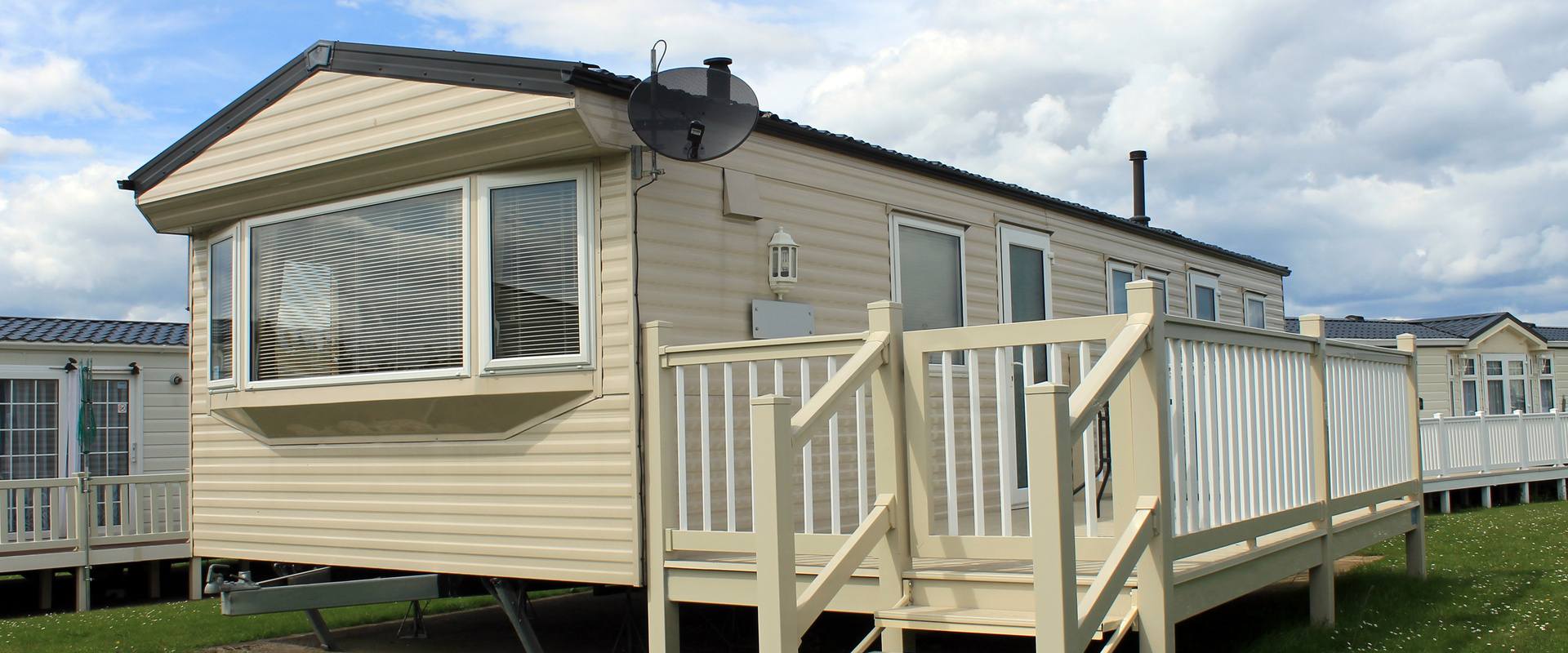
A manufactured home park is a residential park where individuals own their manufactured home but occupy land owned by a park operator under a long-term site agreement. While the home itself is owned by the resident, the land remains the property of the park owner, creating a legal relationship that sits outside traditional residential leasing arrangements.
In Queensland, manufactured home parks are primarily governed by the Manufactured Homes (Residential Parks) Act 2003 (Qld) (the Act). This legislation establishes a distinct legal framework that provides enhanced protections for residents while allowing park owners to operate and manage their parks as commercial assets.
The Legislative Framework in Queensland
The Act regulates nearly every aspect of manufactured home park operations, including site agreements, rent review mechanisms, park rules, sales processes, termination rights, and dispute resolution. Importantly, many provisions of the Act override general contract principles, meaning that even carefully negotiated agreements must comply strictly with statutory requirements.
Park owners must follow prescribed processes for notices, rent increases, and terminations, while residents are afforded statutory rights that cannot be waived. Non-compliance may result in agreements being set aside or orders being made by the Queensland Civil and Administrative Tribunal (QCAT).
Site Agreements: The Legal Foundation
The site agreement forms the cornerstone of the legal relationship between a park owner and a home owner. It governs the resident’s right to occupy a site within the park and sets out the financial, operational, and behavioural expectations of both parties.
Queensland law mandates specific terms in site agreements covering rent, services, park rules, sales, disputes, and termination. The Act prescribes form and substance; poorly drafted agreements expose park owners to QCAT challenges and unenforceable clauses. Before signing, park owners must provide a 21-day Disclosure Statement. Legal review prevents costly errors.
Legal review of site agreements is critical before they are offered to residents or relied upon in enforcement actions.
Rent Reviews and Increases
Site rent is not freely adjustable at the discretion of the park owner. Rent reviews must occur in accordance with the site agreement and the strict procedural requirements of the Act. This includes compliance with notice periods, timing restrictions, and disclosure obligations.
Residents have the right to challenge rent increases they consider excessive or improperly implemented. Rent disputes are one of the most common issues referred to mediation and QCAT, particularly where increases are introduced without adequate explanation or procedural compliance.
Early legal advice can prevent disputes and ensure rent reviews are conducted lawfully and transparently.
Park Rules and Community Standards
Park rules are designed to support harmonious community living and protect the amenity, safety, and appearance of the park. While park owners are entitled to implement reasonable rules, those rules must be lawful, consistently enforced, and compatible with the Act.
Changes to park rules require careful handling, particularly where they affect existing residents. Unreasonable or selectively applied rules may be challenged, and improperly implemented changes can expose park owners to regulatory scrutiny.
Selling or Relocating a Manufactured Home
Residents generally have the right to sell their manufactured home while it remains on site, subject to compliance with statutory requirements and reasonable park rules. Park owners cannot unreasonably interfere with or prevent an on-site sale.
Disputes frequently arise in relation to approval of incoming purchasers, operator involvement in the sales process, commissions, disclosure obligations, and relocation requirements. Each of these issues is tightly regulated under Queensland law.
Legal guidance ensures that sales and relocations are managed smoothly and in compliance with statutory obligations.
Termination, Exit and Redevelopment
Termination of a site agreement is heavily regulated and may only occur on limited grounds. Park owners must comply strictly with notice requirements and procedural safeguards, particularly where termination is linked to park redevelopment or change of use.
Residents may also have rights to compensation or relocation assistance in certain circumstances. Failure to follow the statutory framework often results in QCAT proceedings and significant financial exposure.
Dispute Resolution and QCAT Proceedings
The Act encourages early dispute resolution through negotiation and mediation. Where disputes cannot be resolved, QCAT has jurisdiction to hear and determine manufactured home park matters.
QCAT may interpret site agreements, declare terms unenforceable, set rent, order compensation, or make binding directions regarding compliance. Given the Tribunal’s broad powers, strategic legal advice is essential before initiating or responding to proceedings.
Why Specialist Legal Advice Matters
Manufactured home parks occupy a complex intersection of property law, consumer protection, and regulatory compliance. Standard residential tenancy advice is often insufficient and can result in costly errors.
Vojdani Lawyers advises both park owners and residents on compliance, site agreements, rent reviews, sales, redevelopments, and disputes. Our approach is practical, commercially focused, and designed to reduce risk while preserving long-term relationships within manufactured home communities.
Frequently Asked Questions
Do I own the land in a manufactured home park?
No. Home owners usually own their manufactured home, while the land is owned by the park operator and occupied under a site agreement.
Can my site rent be increased at any time?
No. Rent increases must comply with both the site agreement and the Manufactured Homes (Residential Parks) Act, including strict notice and timing requirements.
Can I sell my manufactured home on site?
In most cases, yes. Park owners cannot unreasonably restrict an on-site sale, though lawful conditions may apply.
What happens if the park is redeveloped?
Redevelopment is regulated, and residents may have rights to notice, compensation, or relocation assistance. Legal advice should be obtained early.
Where are disputes resolved?
Disputes are usually resolved through mediation or proceedings before QCAT, which has broad powers under the Act.
Speak With Our Team Today
At Vojdani Lawyers, we provide practical guidance on the legal issues affecting manufactured home parks, including site agreements, entry and exit rights, compliance obligations, disputes, and regulatory requirements. Our advice is tailored to help operators and residents navigate the framework with confidence.
Contact our team for advice on manufactured home parks in Queensland and ensure your rights and obligations are clearly understood from the outset.